
Develop, support, promote disability leaders
 Menu
Menu
Menu
Menu
National Awards for Disability Leadership 2025 Finalists
Lesley Hall Award for Lifetime Achievement – Damian Griffis
Rights Activism – Sarah Langston
Inclusion – George Ayoub
Innovation – Karen Hedley
Social Impact – Danielle Kutchel
Change Making – Clare Gibellini and Wayne Herbert
Arts – Fi Peel
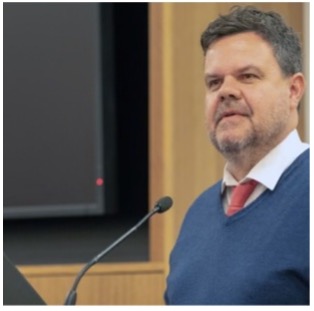
Damian Griffis – Lesley Hall Award for Lifetime Achievement
The Lesley Hall Award for Lifetime Achievement – awarded to an individual who has shown commitment to the disability rights movement and worked over time to achieve significant outcomes for disabled people.
Damian Griffis is a Worimi man and a leading advocate for the human rights of First Nations people with disability. Damian has been the longstanding central figure in the establishment of First Peoples Disability Network, recognised as the national peak in Indigenous and disability policy.
Damian Griffis – Recipients interview
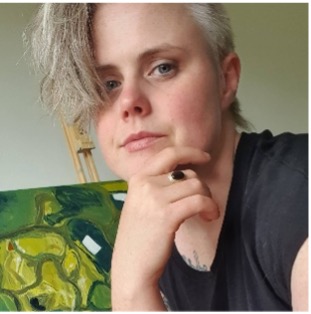
Sarah Langston – Rights Activism
Rights Activism – advancing the status of disabled people by using human rights mechanisms, including the Convention on the Rights of Persons with Disabilities.
Sarah Langston is a powerful disability rights advocate who founded the Australian Neurodivergent Parents Association and co-founded the Nobody Worse Off Coalition. Her leadership has defended the rights of neurodivergent people against NDIS cuts and discriminatory reforms.
Sarah Langston – Recipients interview
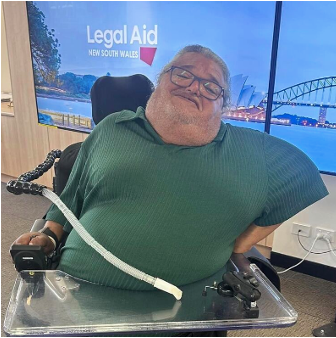
George Ayoub – Inclusion
Inclusion – illustrating the intersectional diversity of disabled people by designing processes, systems or programs.
George has made a significant impact in advancing disability rights by founding Solution Ideas Ability Boutique, a disability-led organisation in Western Sydney. Through inclusive employment, community engagement, and advocacy, he champions equity and accessibility, ensuring diverse and intersectional disabled voices are represented and empowered in decision-making and local initiatives.
George Ayoub – Recipients interview
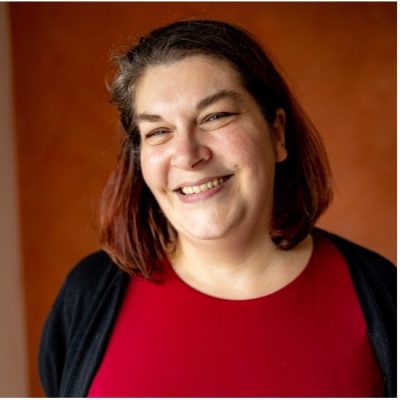
Karen Hedley – Innovation
Innovation – achieving outcomes to the status of disabled people by working outside the box, developing new systems, technology or tools.
Karen Hedley, Easy Read specialist, is driving visibility of people with disability through accessible communication. As founder of The Easy Read Toolbox and co-founder of the International Easy Read Community of Practice, she’s transforming how organisations represent and engage disabled people.
Karen Hedley – Recipients interview
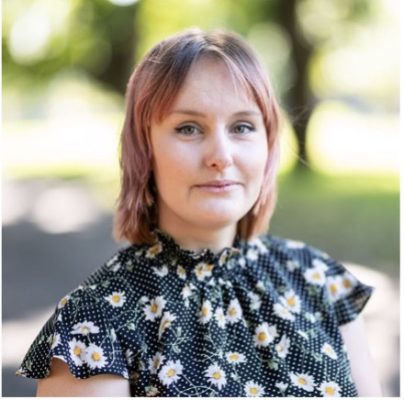
Danielle Kutchel – Social Impact
Social Impact – achieve visibility of disabled people by using mainstream or social media, or other digital interfaces.
Danielle is currently working with the ABC in a regional bureau, she uses her position to shine a light on those living with disability: highlighting positive stories as well as injustices where they occur. Her stories have led the ABC’s coverage on some issues and reached thousands of readers, normalising inclusion in mainstream media.
Danielle Kutchel – Recipients interview
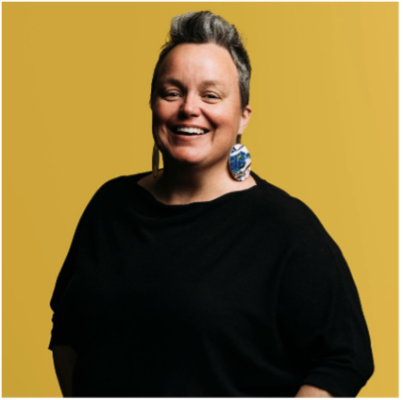
Clare Gibellini – Change Making
Change Making – achieving greater equality for disabled people by changing policy, programs, or legislation.
Clare was the Co-Chair of the Oversight Council for Australia’s first National Autism Strategy. Her work is distinguished by her leadership in climate change, disaster preparedness, and gender equality. She ensures the voices of people with disability are central in climate and emergency planning.
Clare Gibellini – Recipients interview

Wayne Herbert – Change Making
Change Making – achieving greater equality for disabled people by changing policy, programs, or legislation.
Wayne is a leader of uncommon insight and social impact. His professional achievements speak volumes: he has advised government, corporate, and non-profit organisations on complex policy reform, Nationally and Internationally particularly on LGBTIQA+ and disability inclusion, employment, and equity. He is widely recognised for his ability to bridge strategic vision with practical implementation.
Fi Peel – Arts
The Arts – advancing the status of disabled people through artistic expression.
Fi Peel is a disabled artist and researcher reshaping how we make and experience art. Through their performance work (in development ) “A Glimmer of Hope” and their Master’s – The Right to Creative Vulnerability, they champion universal access and celebrate disability as a powerful force for change. Fi expands opportunities for disabled artists in the ACT and further afield by building access-led creative spaces for artists and audiences, embedding co-design in major arts projects and mentoring emerging artists. Their advocacy and research continues to challenge sector standards around universal access, while their practice amplifies intersectional explorations of identity, agency and voice.
National Awards for Disability Leadership 2025 Finalists