

Human Not Robots
Humans not robots
time to reclaim human
by Christina Ryan, DLI CEO
Productivity growth is lagging, and yet organisations keep approaching work in the same way that they have done for decades. At the same time there is a move away from diversity and inclusion as if that is part of the problem, rather than a potential solution.
Fundamentally, work still follows the model set out several centuries ago where people have a workday of set hours, attend a generically designed workplace, work on achieving outcomes, then go home. Furthermore, workplaces have become places where people of similarity clump together in groups of people just like them; people from a similar background, cultural grouping and similar pathway of education and attainment, because that is what is considered “qualified” for the work being done.
While remote work has shifted the dial over recent years, physical workplaces are still designed a certain way and with expectations that most workers will attend them and be productive in them. Yet large numbers of people find modern workplaces difficult to work in.
It’s time to pause and consider what might happen to productivity if workplaces were designed for the humans in them. To consider what might happen to productivity if diversity really was allowed to be diverse, if people could operate in the way that best suited them.
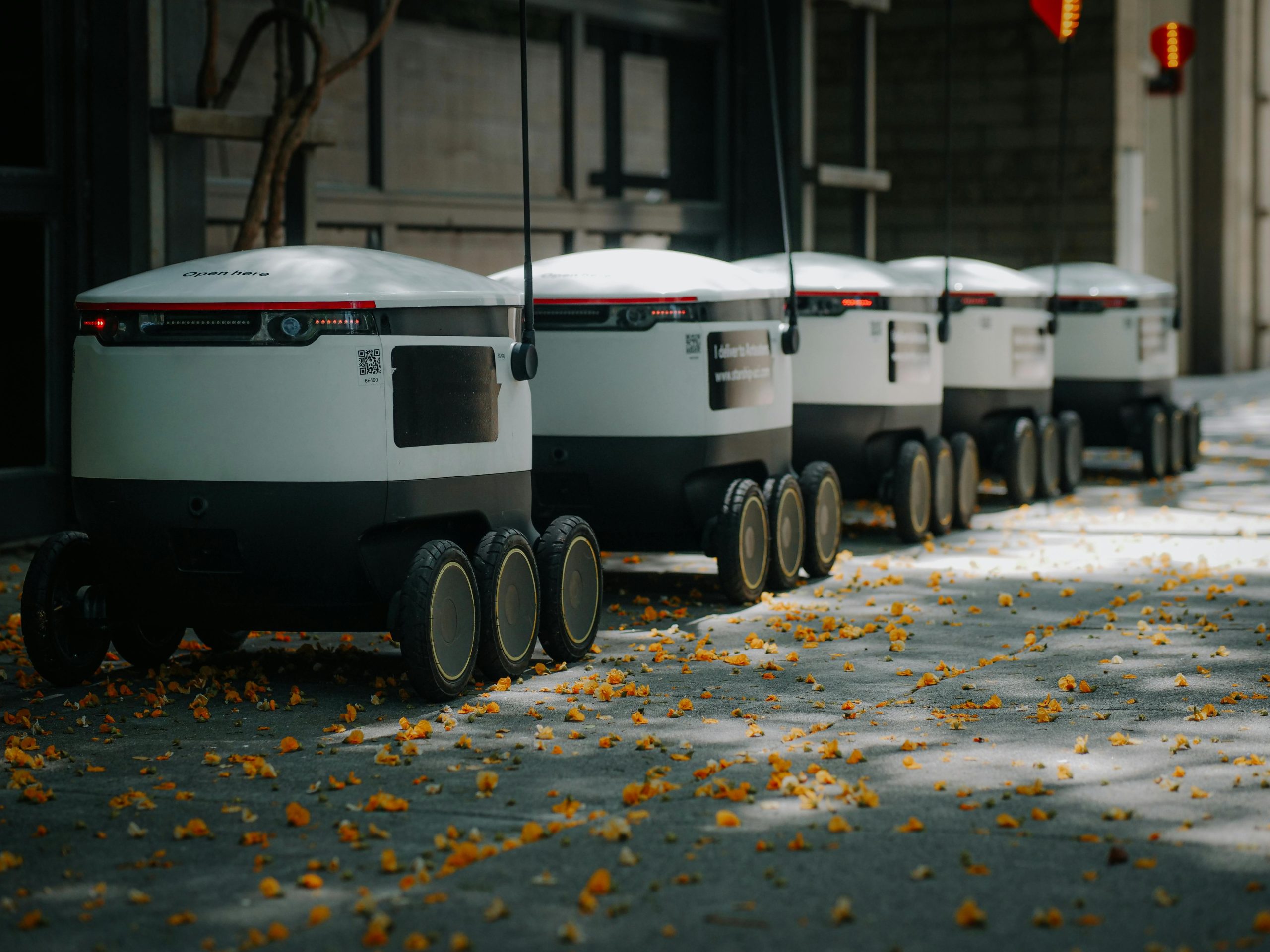
How much might innovation and productivity lift if we stopped expecting humans to become robots?
A key question for modern workplaces is: who decides what they look like? Who makes the ultimate decisions about the design of “work” and workplaces? It appears these crucial decisions are made by people who look the same as the people who have always held decision making positions. If the final decision makers are the same sorts of people who have been making the decisions since time immemorial how will anything ever change?
Disabled people are rarely in those corridors of power. Rarely in the big corner office. Rarely in the cabinet room. Rarely approving the design, layout, and budgets committed to constructing how humans work. It should come as no surprise, then, that those workplaces often don’t work for people who operate differently, including disabled people.
Big open plan offices, shared desks, bright lights, phone calls in the open, strict parameters on operational hours, might suit those drawing up budgets and doing office planning, they might achieve good looking bottom lines, but rather than suit humans they end up turning us into robots.
As humans move more deeply into the 21st century, perhaps it’s time to allow ourselves to be more human in how we work and to recognise that it might, just might, contribute to productivity if people are working in ways that suit the people who are doing the work.
Sign up for regular updates from the Disability Leadership Institute.
Christina Ryan is the CEO of the Disability Leadership Institute, which provides professional development and support for disability leaders. She identifies as a disabled person.